This blog post was written by Dr. Vi Truong (University of Melbourne).
The workshop aimed to: (1) provide updates on current trends and practice in Vietnam’s open movement, including preparation for the Government’s upcoming OER Decree expected in early 2026; (2) discuss key challenges, opportunities, strategic priorities, and capacity needs at both institutional and national levels; (3) connect policy makers, university leaders, librarians, lecturers, and researchers to strengthen alignment and collaboration; and (4) create space for participants, especially GO-GN doctoral members, to present their research, share practical experiences, and explore future partnerships. In practice, this meant combining briefings and showcases with structured discussions, so participants could move beyond general advocacy and work through what implementation could look like in real institutional settings.
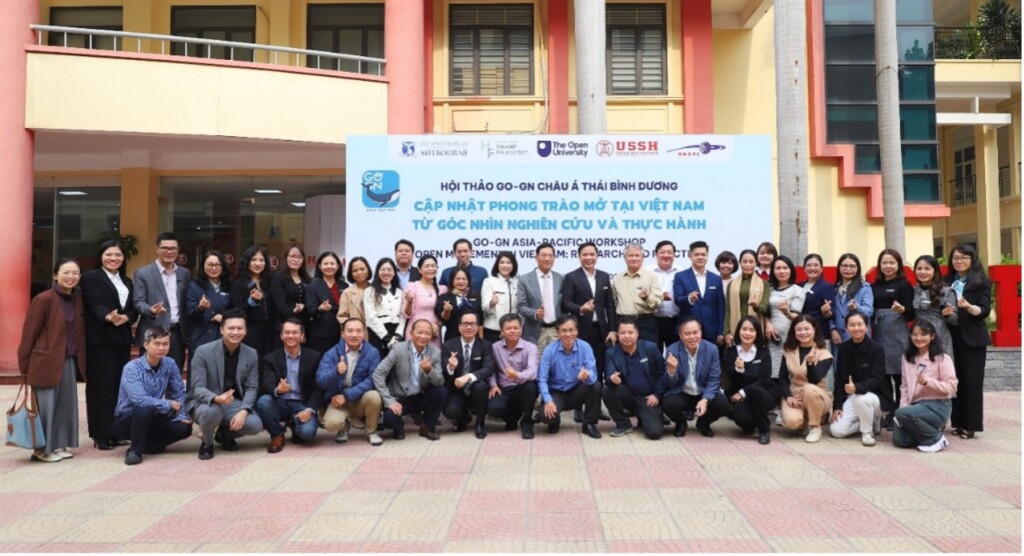
The workshop brought together 42 participants from 28 organisations across Vietnam, with representation from Hanoi, Thai Nguyen, Hue, Da Lat, Can Tho, and Ho Chi Minh City. Participants included lecturers, researchers, library directors and library staff, as well as university leaders (rectors and vice rectors) and policy makers. Three participants were GO-GN PhD doctoral members, who shared their research and contributed to discussion with the wider community. The mix of roles supported a whole-of-system conversation, linking policy intent with institutional strategy and day-to-day practice in teaching, learning support, and research services. The participant group reflected a diverse higher education and open ecosystem, with representation from public and private universities, international and transnational institutions, an international agency, and industry. The workshop also included national and networked organisations supporting open initiatives and higher education libraries, including the Vietnamese Southern Academic Library Association (VILASAL), the Institute for Research, Training and Development of Open Educational Resources, and the Francophone University Agency (AUF). We were also honoured to welcome Mr Tran Van Tung, former Vice Minister of the Ministry of Science and Technology and, since March 2025, President of the Vietnam Association for Scientific and Technological Information (VASTI), whose participation reinforced the importance of connecting open education efforts with broader national priorities on knowledge access, innovation, and capability development.
The programme featured 17 presentations spanning a broad range of “open” topics and bringing together both research and practice perspectives. Following welcome remarks from Prof Hoang Anh Tuan (Rector, VNU USSH Hanoi) and Mr Tran Van Tung (President of VASTI), the sessions moved from national and institutional discussions of OER policy and governance to proposals for coordination and shared platforms, as well as practical case studies of how open initiatives are being implemented in universities and libraries. The programme also broadened the conversation to include open access, open data, and emerging approaches such as generative AI and blockchain to support sustainability, trust, and rights management.
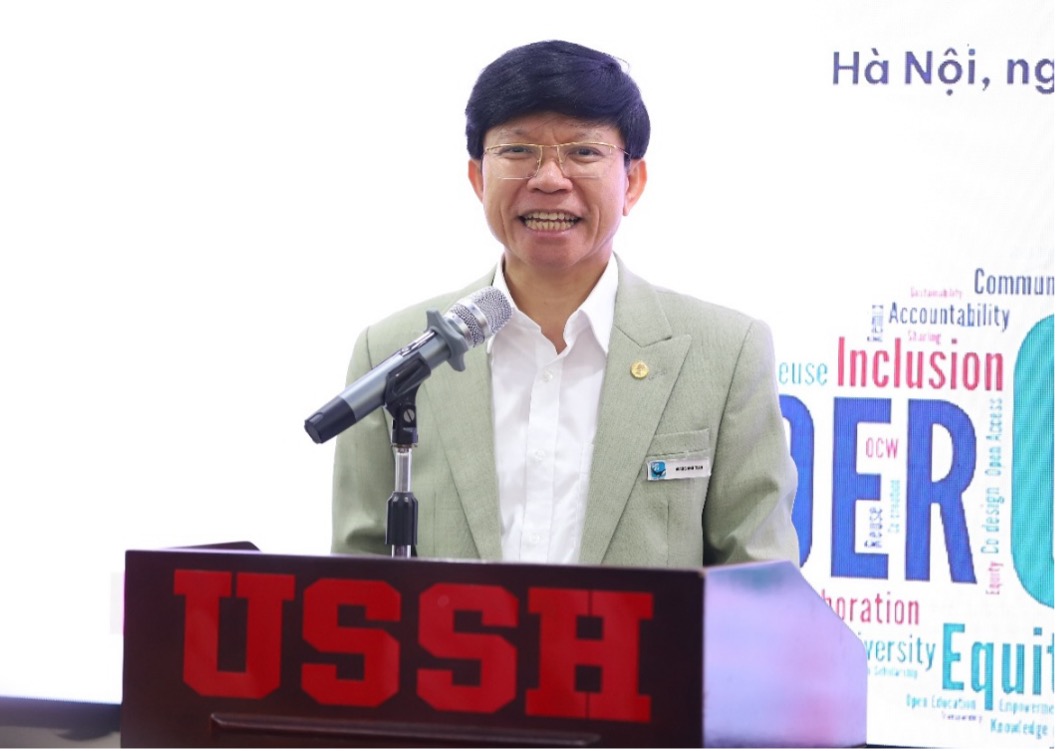
Welcome remarks by Prof Hoang Anh Tuan (Rector, VNU USSH Hanoi)
Prof Hoang welcomed participants and highlighted USSH’s commitment to strengthening open education and collaboration. He positioned the workshop as a timely space to connect policy, institutional leadership, libraries, and researchers around practical implementation.
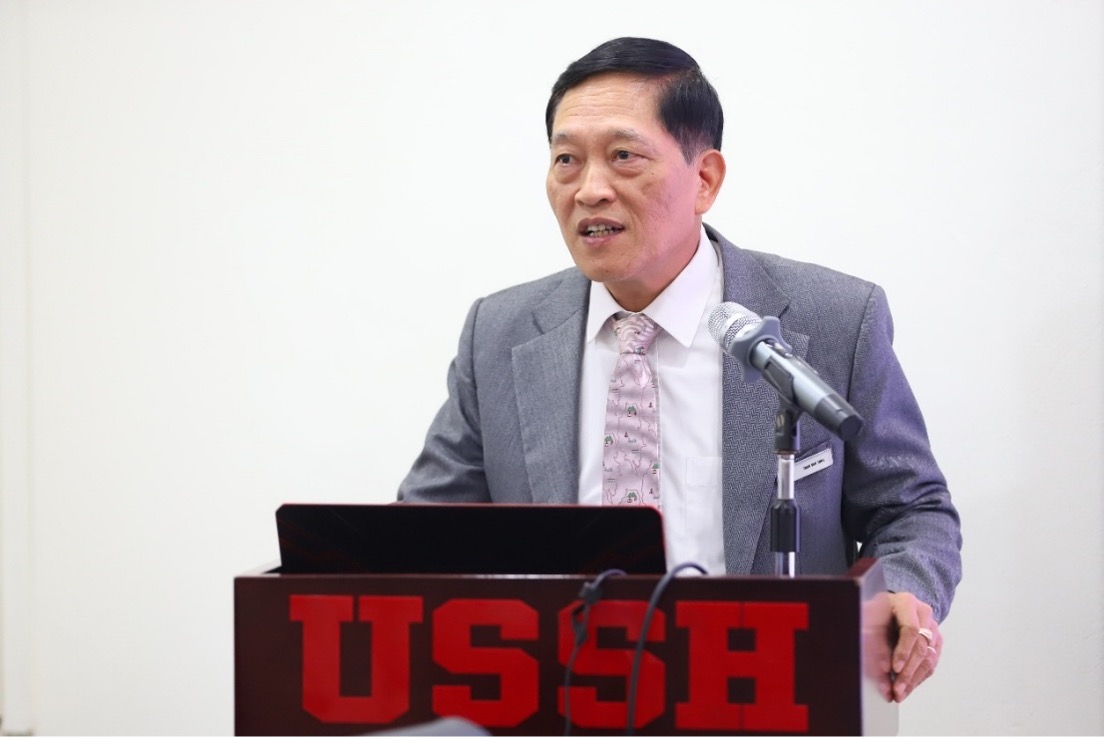
Keynote remarks by Mr Tran Van Tung (President of VASTI; former Vice Minister, Ministry of Science and Technology)
Mr Tung shared a national perspective on the importance of openness for knowledge access, innovation, and capacity building. He expressed support for the GO-GN Asia-Pacific Hub’s role in convening and connecting stakeholders and encouraged continued cross-sector collaboration to advance open initiatives in Vietnam.
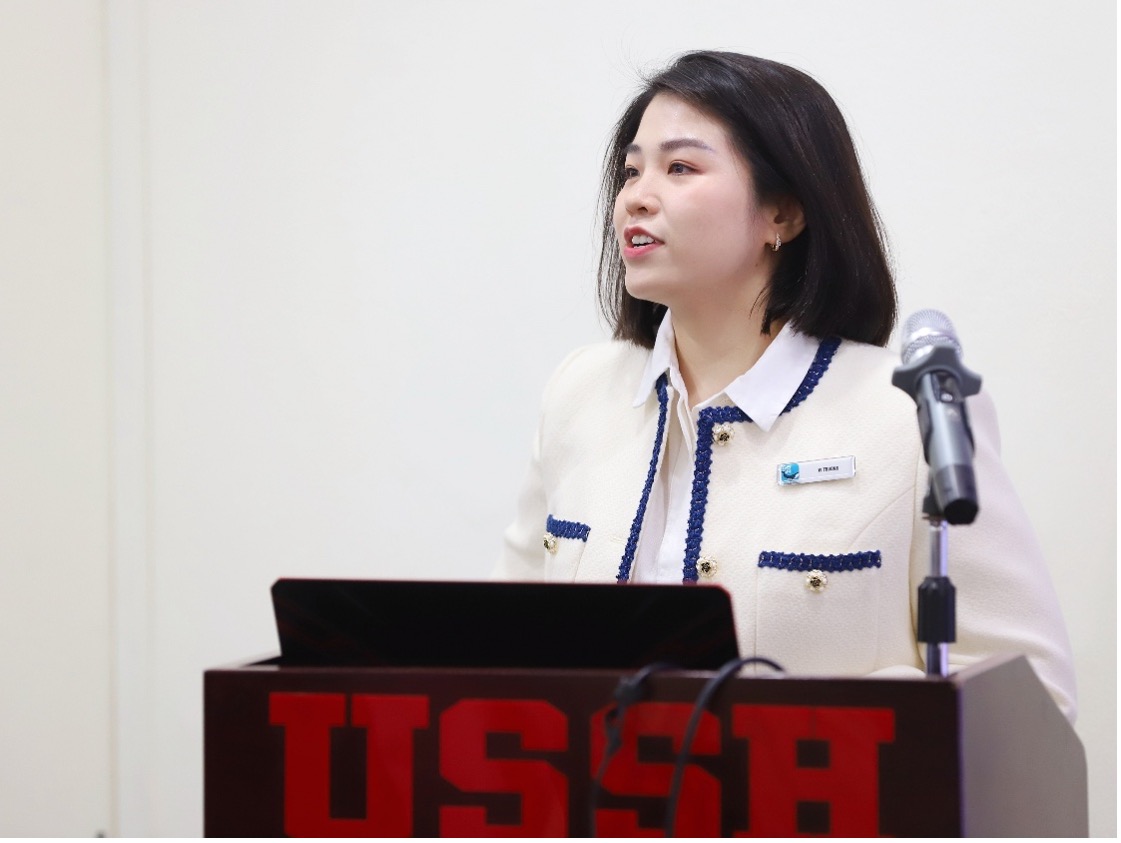
Introduction to GO-GN and the Asia-Pacific Hub (Dr Vi Truong, Hub Lead)
Dr Truong introduced GO-GN’s global mission and explained how the Asia-Pacific Hub will build a regional community that links research, practice, and policy. She also highlighted GO-GN’s commitment to supporting researchers, particularly doctoral students, through connection, mentoring, and opportunities to share and develop their work, alongside the Hub’s focus on gathering evidence and enabling practical cooperation across countries and institutions.
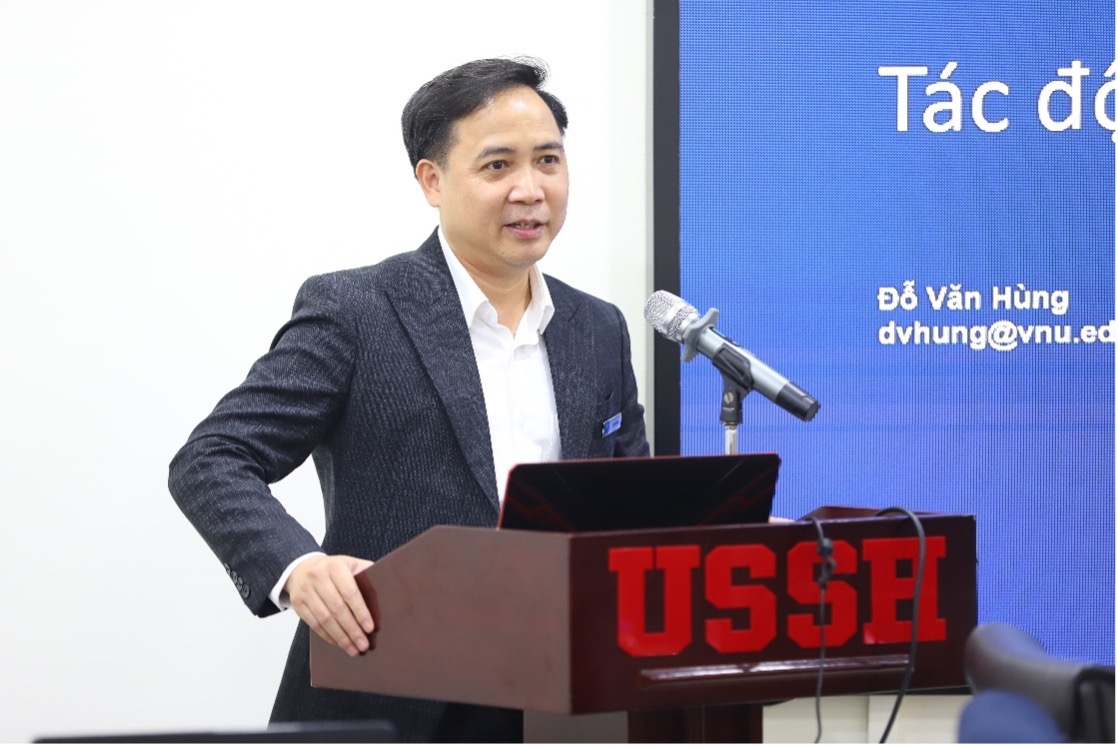
OER and Open Education policy update in Vietnam (Assoc Prof Do Van Hung)
This presentation provided an update on Vietnam’s policy direction for OER and open education, with a focus on what institutions should anticipate and prepare for. It emphasised the importance of aligning institutional planning, governance, and capacity building with the upcoming policy environment.
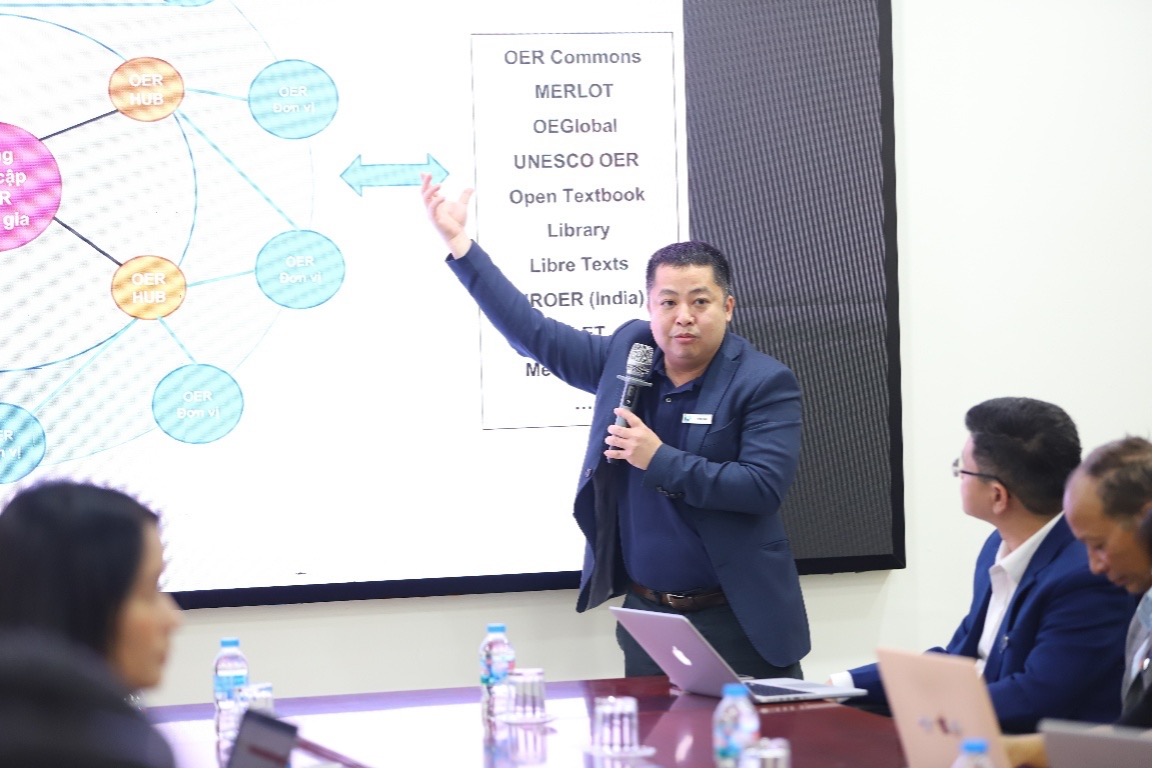
A Vietnam OER network model and integration with global OER networks (Mr Hoang Dung)
Mr Dung proposed a coordinated model for connecting universities through an OER network, designed to reduce duplication and enable resource sharing at scale. The model also emphasised international integration so Vietnam’s OER work can connect with global communities and platforms.
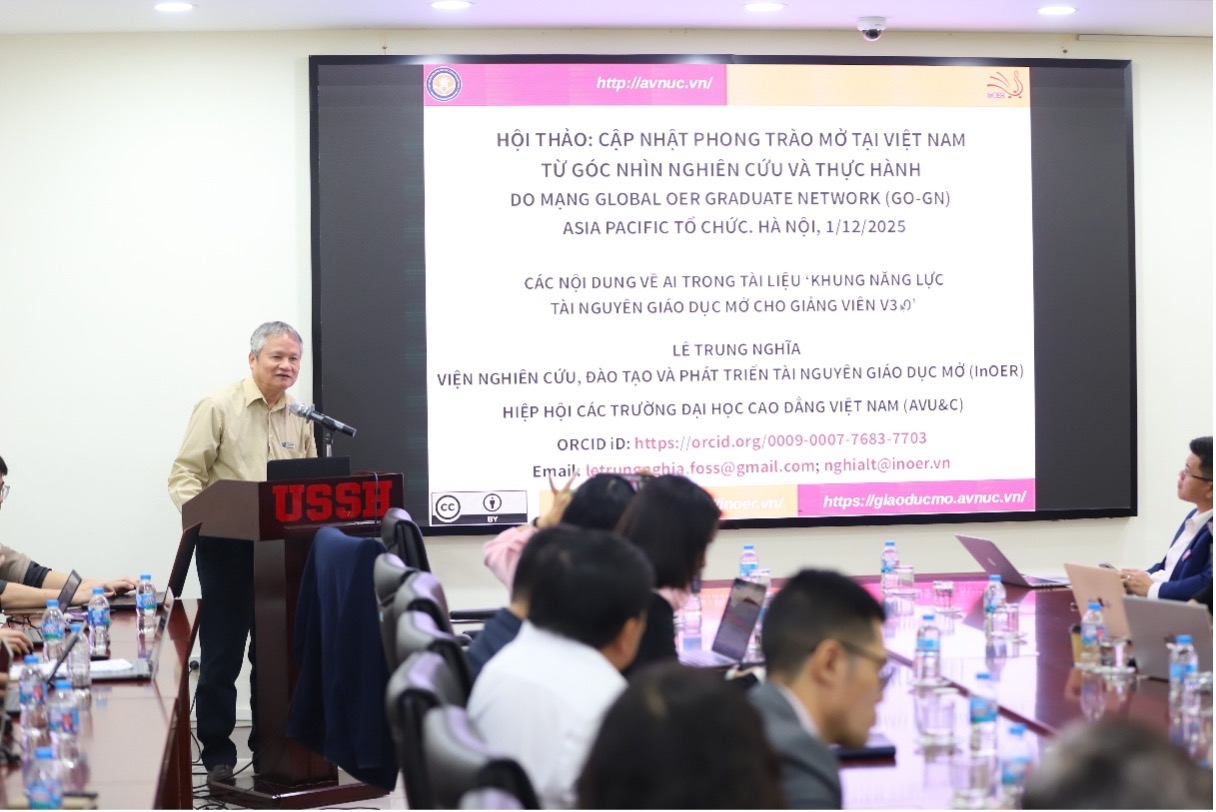
AI elements in the “OER Capability Framework for Lecturers v3.0” (Mr Le Trung Nghia)
This talk presented a capability framework that integrates AI into OER-related skills for educators. It highlighted how AI can support OER creation and adaptation, while reinforcing the need for responsible use and clear practice guidance.
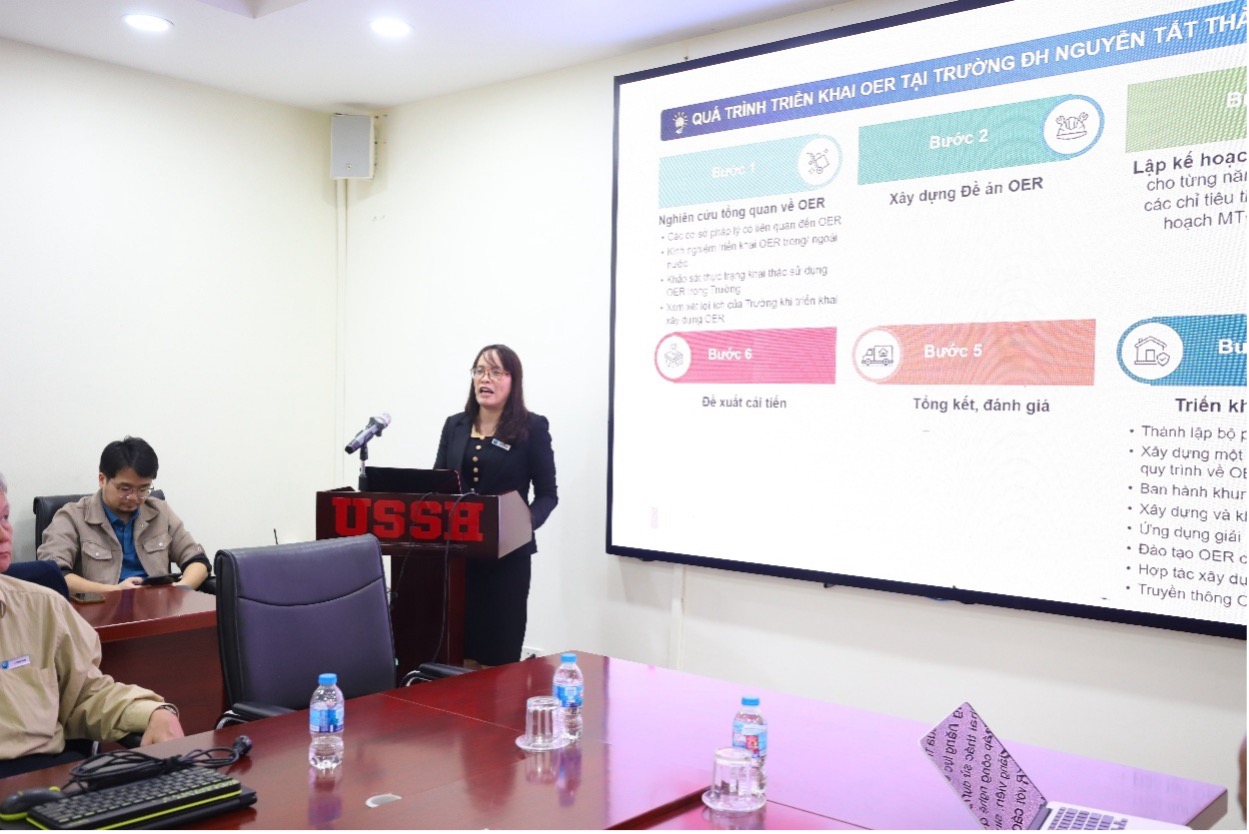
Practical solutions to enhance open practice in Vietnamese universities (Ms Tran Thi Thuy Kieu)
Ms Kieu shared practical, institution-level recommendations to strengthen OER development and uptake. The focus was on actionable steps, including implementation planning, coordination, and mechanisms that encourage participation.
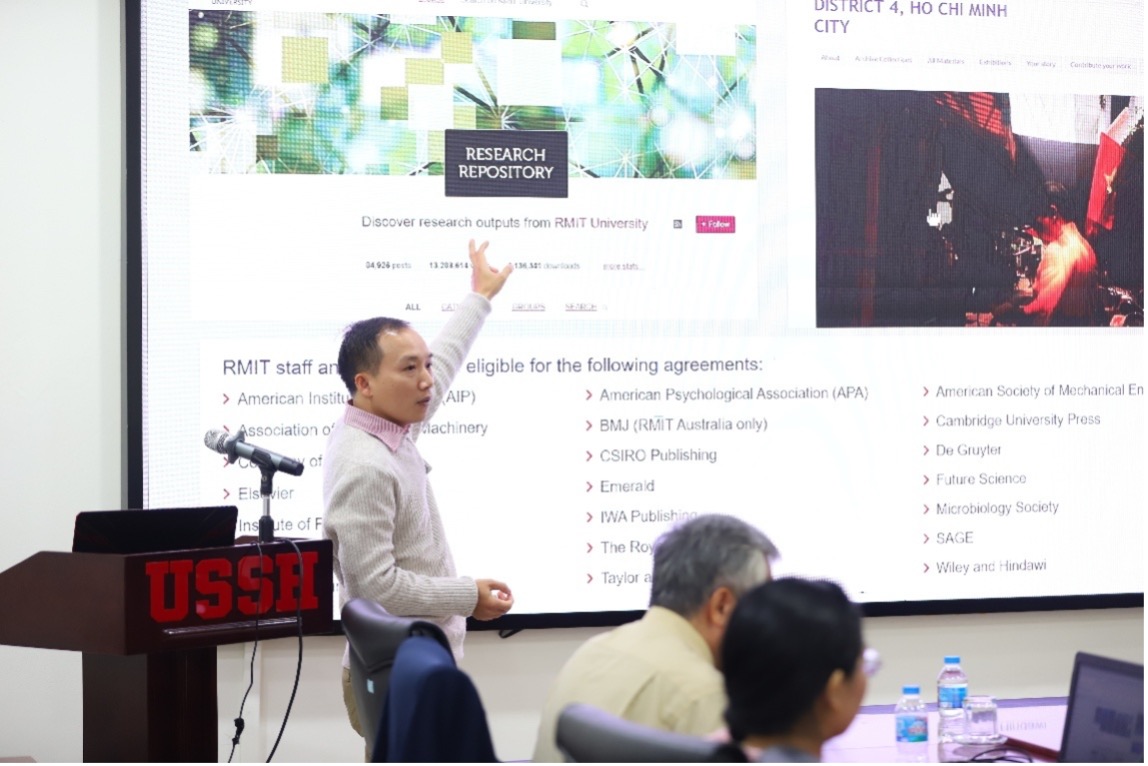
Open education and open research initiatives at RMIT University (Mr Do Van Chau)
Mr Chau showcased open initiatives at RMIT, illustrating how a transnational university context approaches open education and open research. The talk offered transferable lessons on institutional support structures and implementation practices.
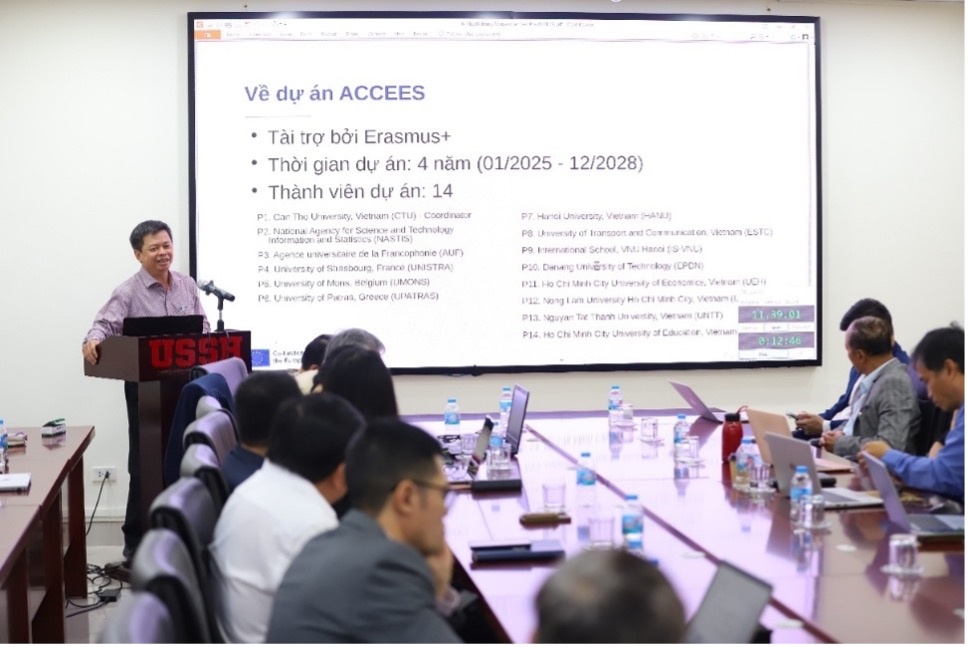
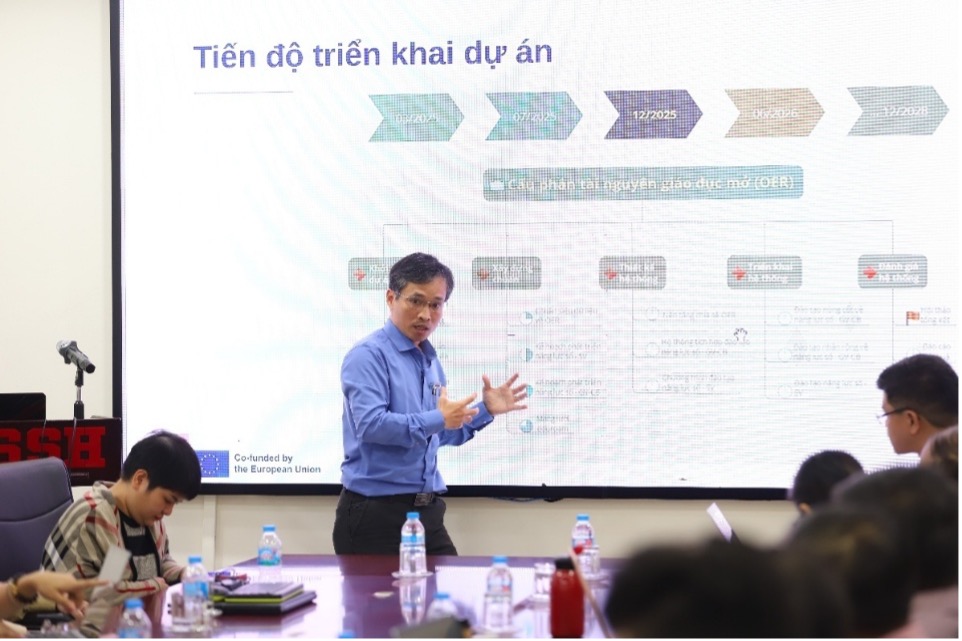
Building an OER platform and resources through the ACCEES project (Dr Ngo Ba Hung and Dr Nguyen Tan Dai)
This presentation introduced the ACCEES initiative, focusing on the development of OER infrastructure and resources. It highlighted how platform building, resourcing, and institutional engagement can work together to support adoption.
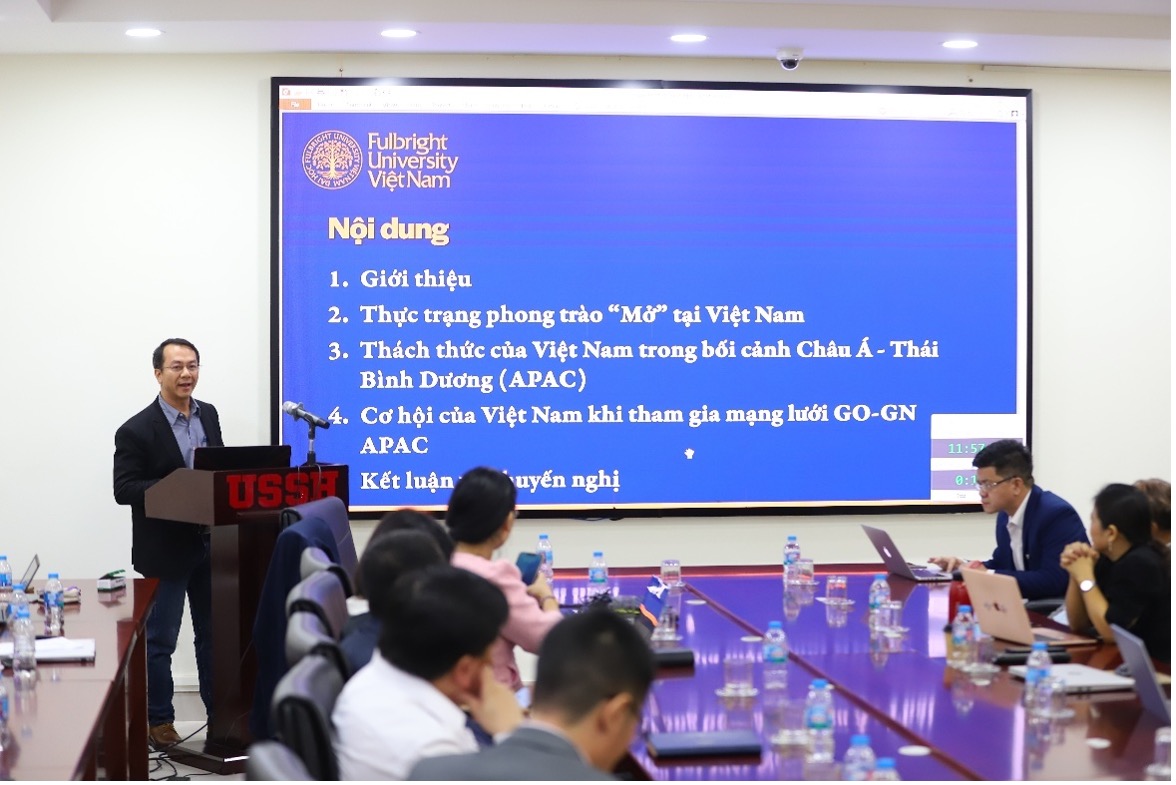
The open movement in Vietnam: status, challenges, and opportunities in the Asia-Pacific context (Mr Truong Minh Hoa)
Mr Hoa provided an overview of where Vietnam’s open movement currently stands, identifying key challenges as well as emerging opportunities. The talk also located Vietnam’s efforts within broader Asia-Pacific dynamics and collaboration potential.
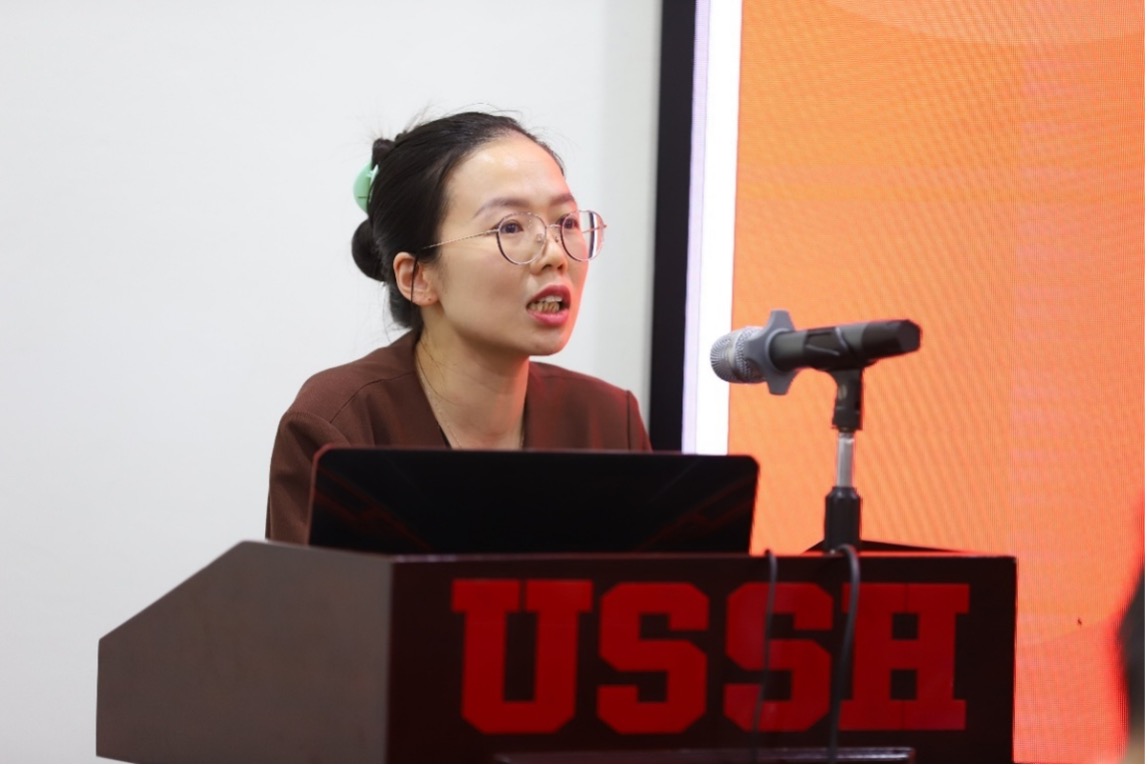
Democratising education: building an OER ecosystem for Vietnamese students (Dr Bui Phuong Thao)
Dr Bui discussed OER as an equity strategy that can expand learning access for students. The presentation emphasised ecosystem thinking, where institutions, libraries, and policy settings work together to support sustainable OER.
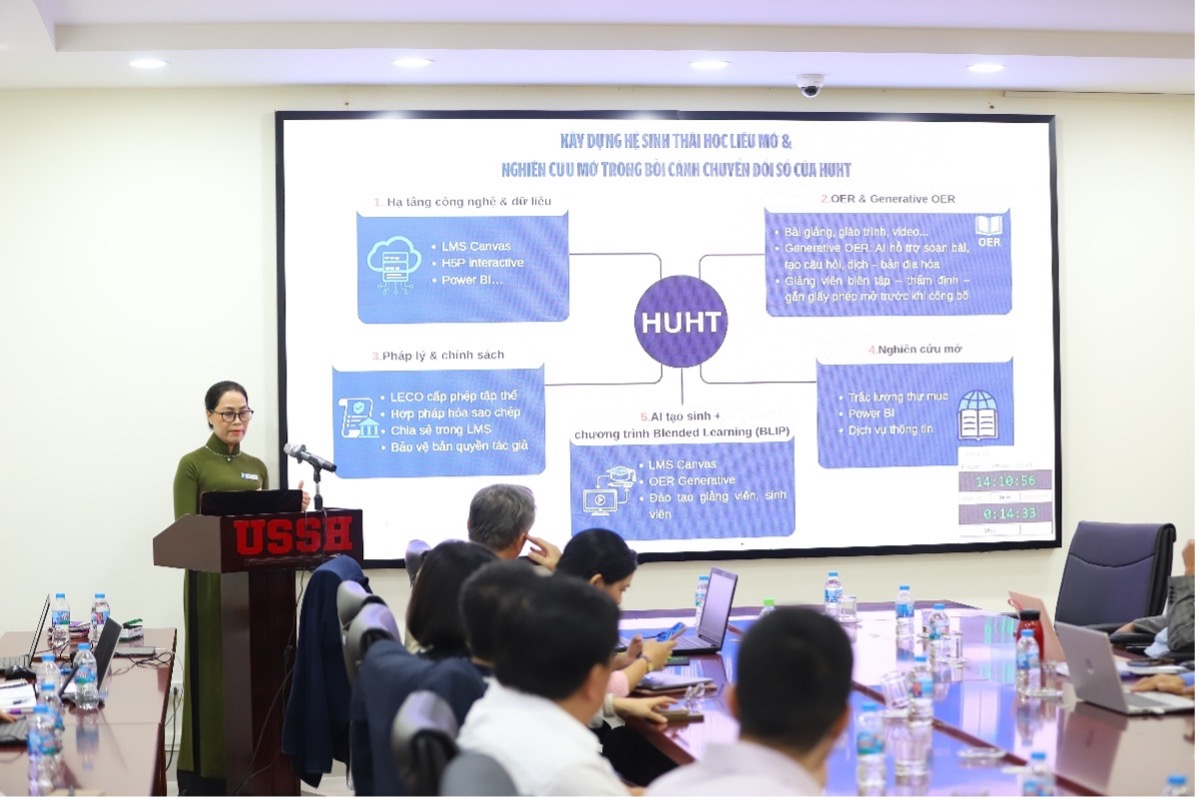
Building an OER and open research ecosystem at HUHT (Ms Nguyen Thi Bich Ngoc)
Ms Ngoc shared HUHT’s approach to developing an ecosystem that connects OER with open research practice. The talk highlighted institutional actions to build participation, improve access, and sustain open practice over time.
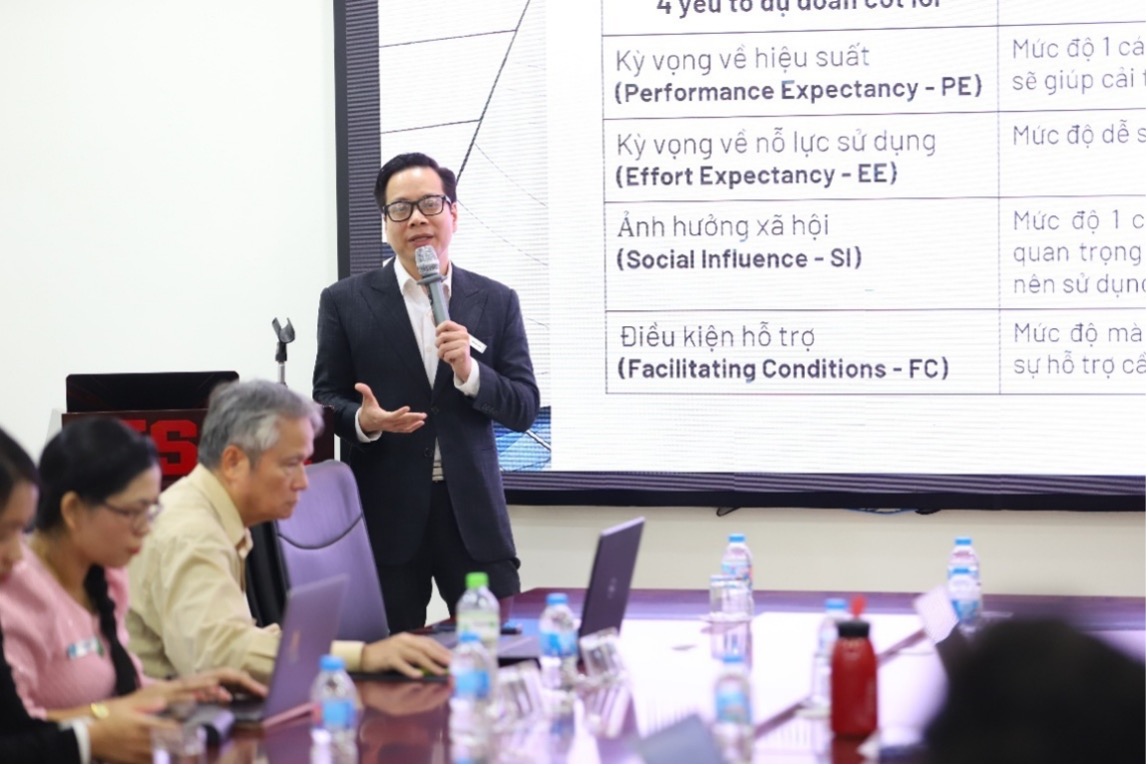
Factors influencing OER development in Vietnamese higher education: a theoretical lens (Mr Dong Duc Hung)
This talk introduced a theoretical framework to explain what shapes OER development and uptake in universities. It helped clarify how institutional readiness, incentives, capability, and environment interact to influence implementation outcomes.
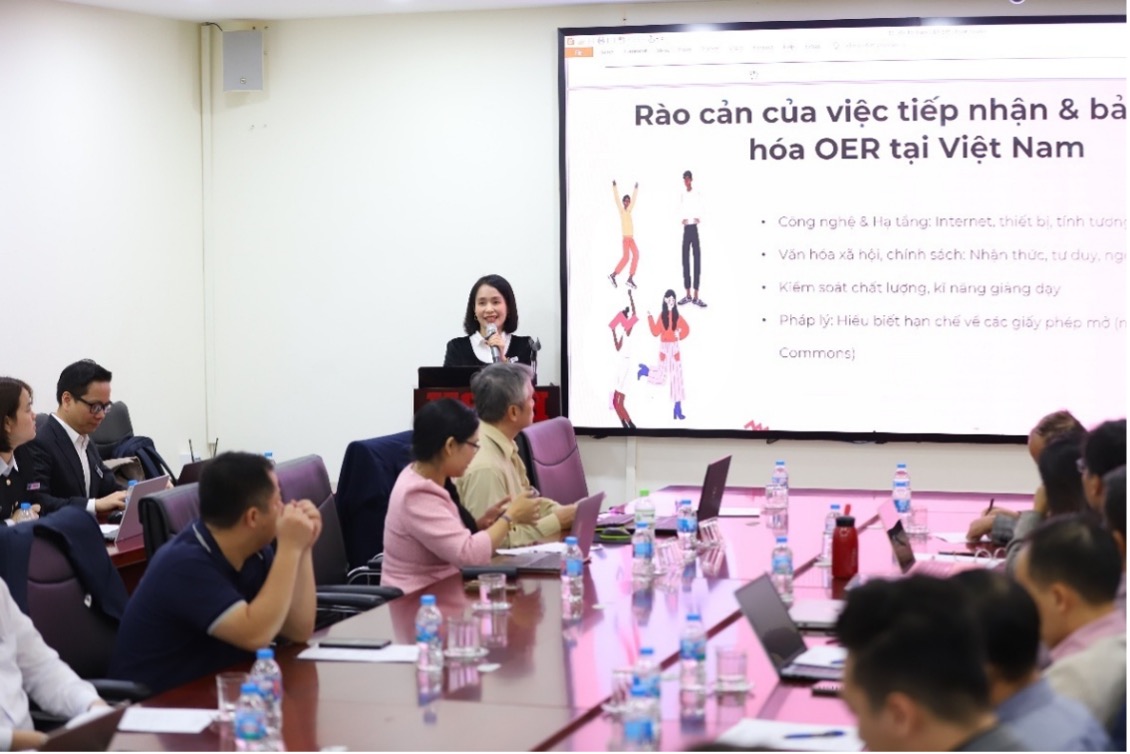
University libraries and localisation of OER for Vietnamese students (Ms Ha To Tam)
Ms Tam focused on the library’s role in localising and contextualising OER so resources are relevant and usable for Vietnamese students. The presentation highlighted practical work in curation, discovery support, and enabling use through library services.
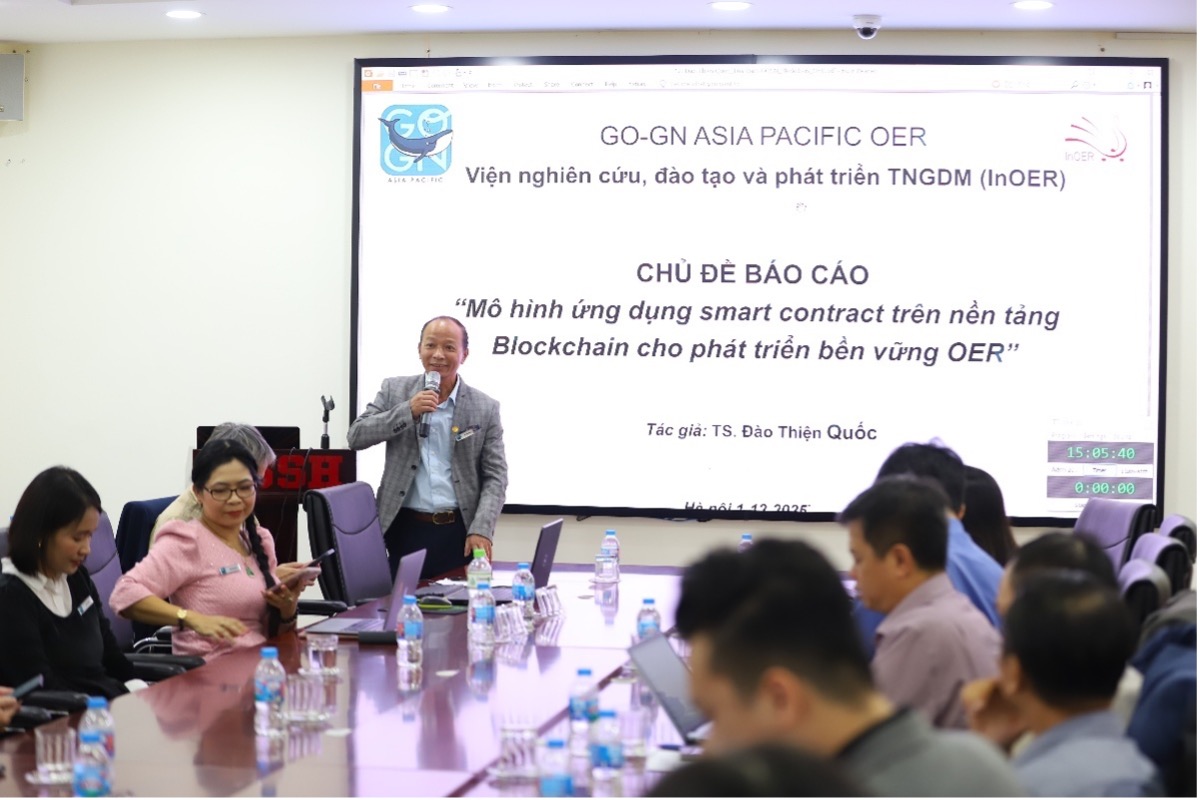
Using smart contracts on blockchain to support sustainable OER (Dr Dao Thien Quoc)
Dr Dao explored blockchain and smart contracts as emerging mechanisms that could strengthen trust and traceability in open resource sharing. The talk considered how such tools might support rights management and longer-term sustainability.
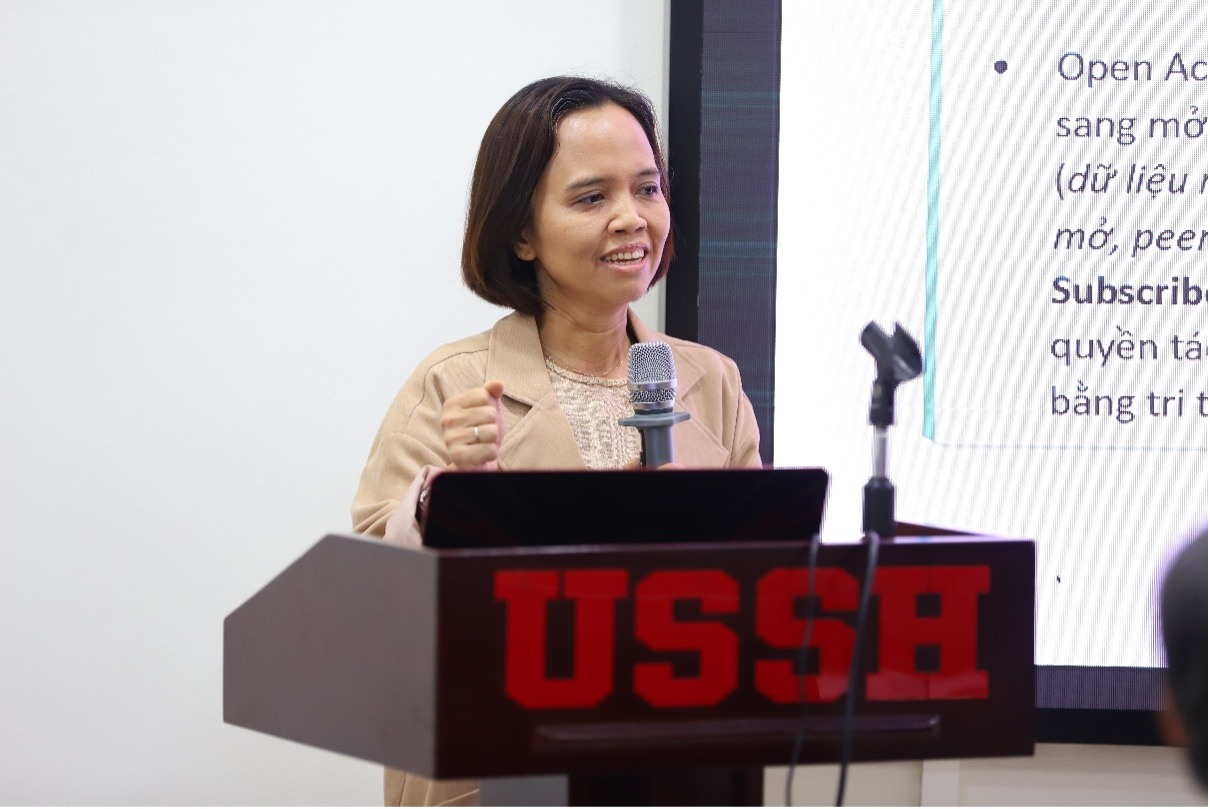
Translating policy into practice: strengthening open access publishing through institutional innovation (Ms Nguyen Thi Kim Tri)
Ms Tri discussed how institutions can turn open access commitments into operational practice. The presentation focused on institutional systems, workflows, and enabling measures that support researchers and improve implementation.
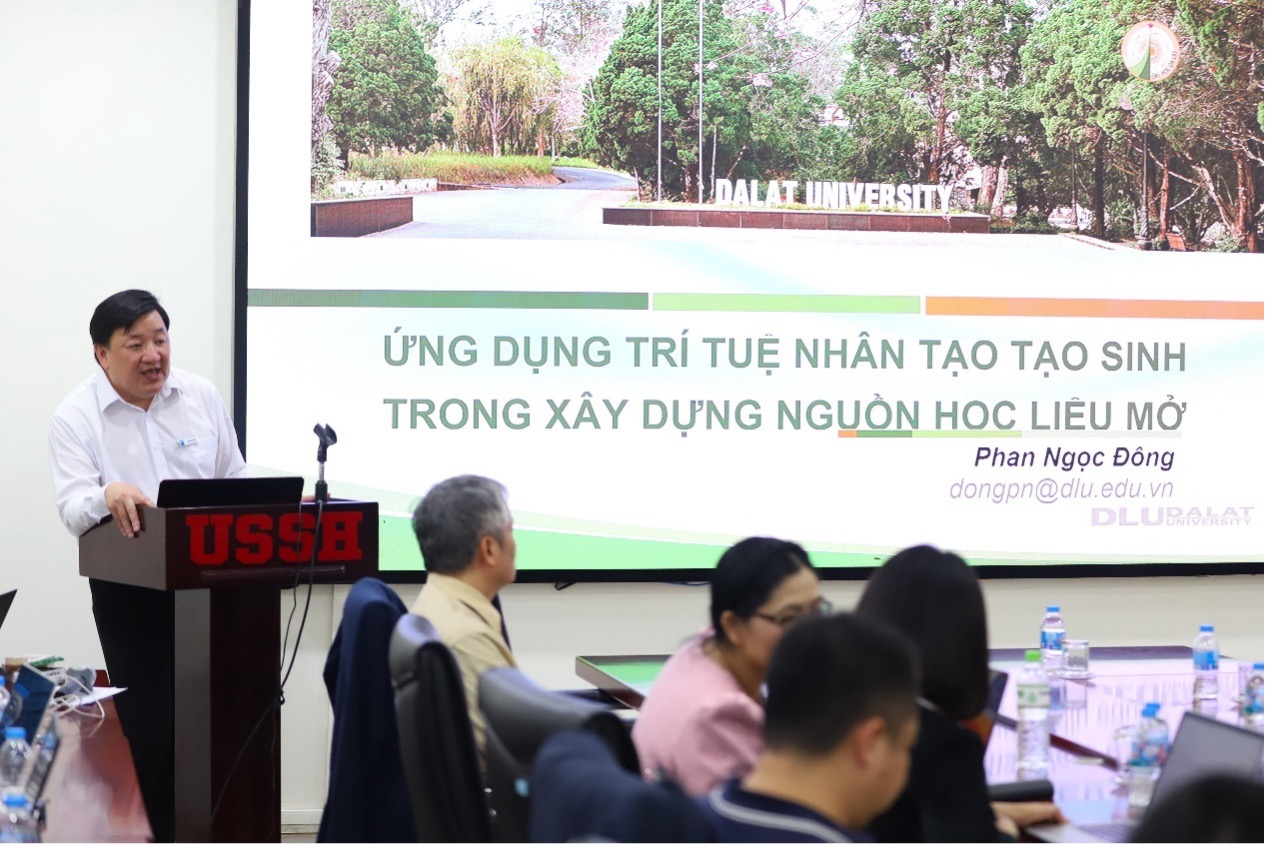
Generative AI in developing open learning materials (Mr Phan Ngoc Dong)
Mr Dong examined how generative AI can assist the development and adaptation of open learning materials. The talk also raised practical considerations around quality, transparency, and responsible use when applying AI in OER work.
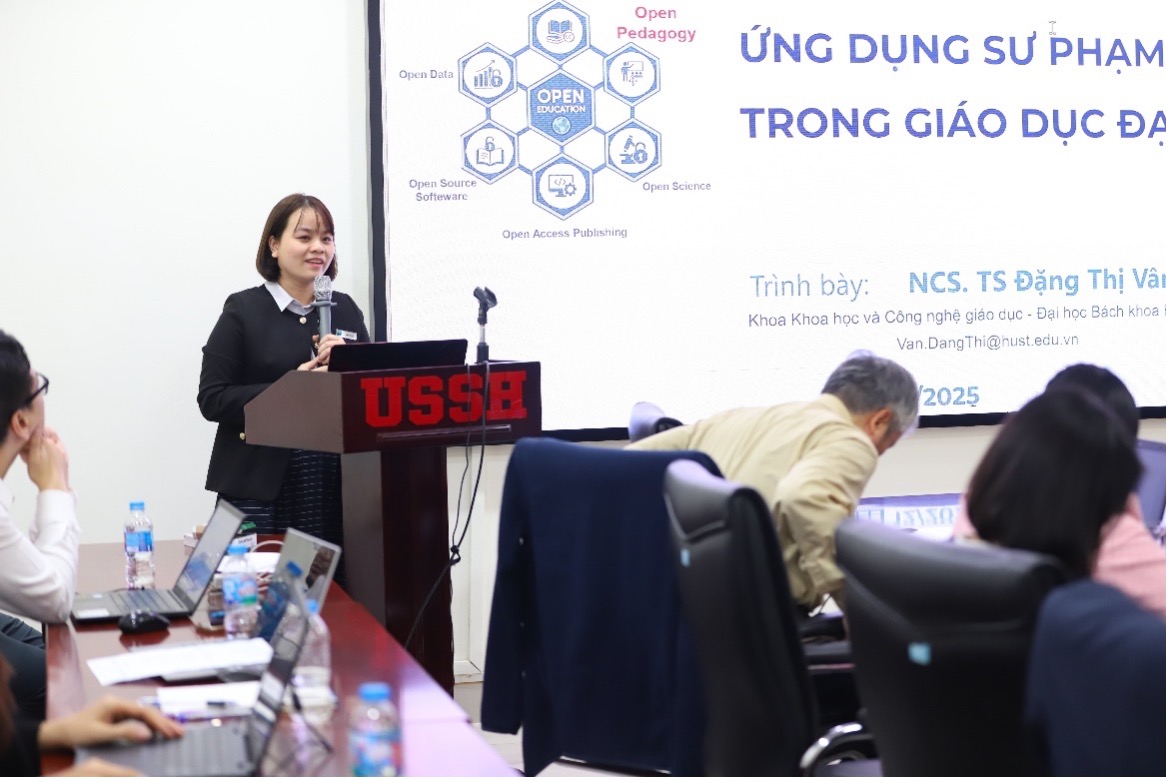
Open pedagogy in higher education (Ms Dang Thi Van)
Ms Van explored open pedagogy as a teaching approach that complements OER by increasing student participation and authentic learning. The presentation highlighted how openness can shape learning design and assessment practice.
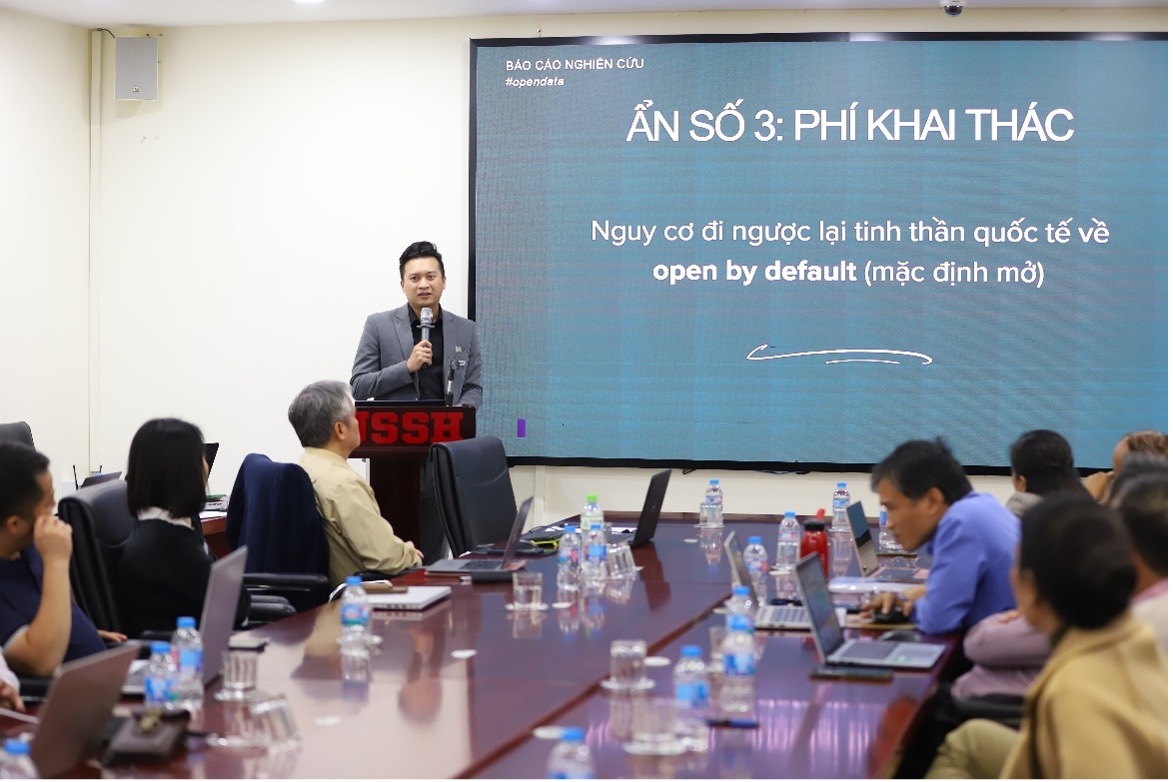
Legal environment and SMEs’ use of open data in Vietnam: a TOE perspective (Mr Pham Duc Tien)
Mr Tien analysed how legal and regulatory settings influence SMEs’ adoption of open data, using the Technology-Organisation-Environment model. The talk broadened the workshop’s “open” lens by linking open data to industry practice and policy conditions.
Beyond the presentations, the workshop created space for structured discussion across three topics: (1) a SWOT analysis of OER policy implementation, (2) how GO-GN and a Community of Practice could support open practice, and (3) priorities and next steps if the pilot phase proves successful.
Participants noted that policy can provide a clearer mandate and stronger institutional confidence to act, particularly when paired with leadership commitment and an explicit strategy. They also pointed to foundations already in place in many institutions, including LMS and MOOC platforms, existing digitised teaching resources, and library or institutional systems that can host, curate, or point to OER. However, they identified persistent barriers that will need to be addressed to make policy workable in practice. These included uneven awareness and shared understanding of OER; concerns about copyright, open licensing, ownership, and uncredited reuse; limited incentives and recognition for sharing; gaps in digital capability; and the absence of consistent processes, standards, and quality assurance mechanisms across institutions. Participants also discussed the growing influence of AI as both an opportunity and a pressure point, particularly around content quality, moderation, and trust, and noted that clearer guidance and shared practice will be needed to make AI-enabled approaches genuinely helpful rather than increasing risk.
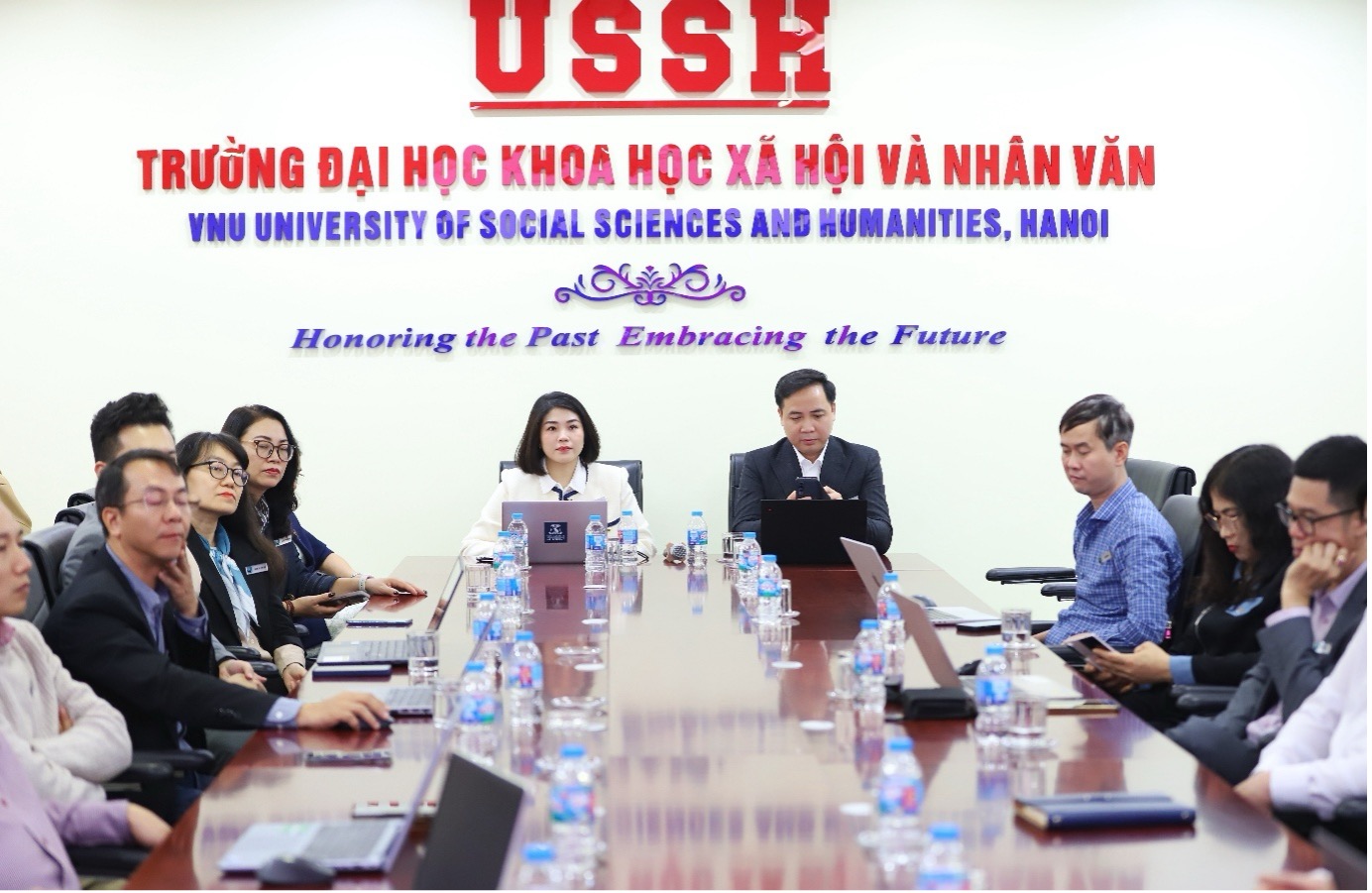
When asked what support would be most useful, participants consistently prioritised practical, role-based training for lecturers, librarians, and students, alongside hands-on implementation guidance that addresses operational questions (platform options, workflows, governance, and open-source maintenance). They also emphasised the need for shared quality criteria and standards, stronger institutional guidance that translates national policy into workable practice, and sustained community structures that enable peer learning, mentoring, and collaboration. Many participants highlighted the value of stronger international connections, including opportunities to learn from other contexts, connect Vietnam to global OER networks, and engage with expertise aligned with the UNESCO 2019 OER Recommendations, especially as Vietnam prepares for future national-level reporting and contribution in the lead-up to the 2027 global OER milestone. Practical risks that participants felt need to be managed include workload and time pressures on staff, interoperability challenges across systems, data privacy and security issues, and the longer-term risk of dependence on closed commercial platforms that may create cost and data lock-in.
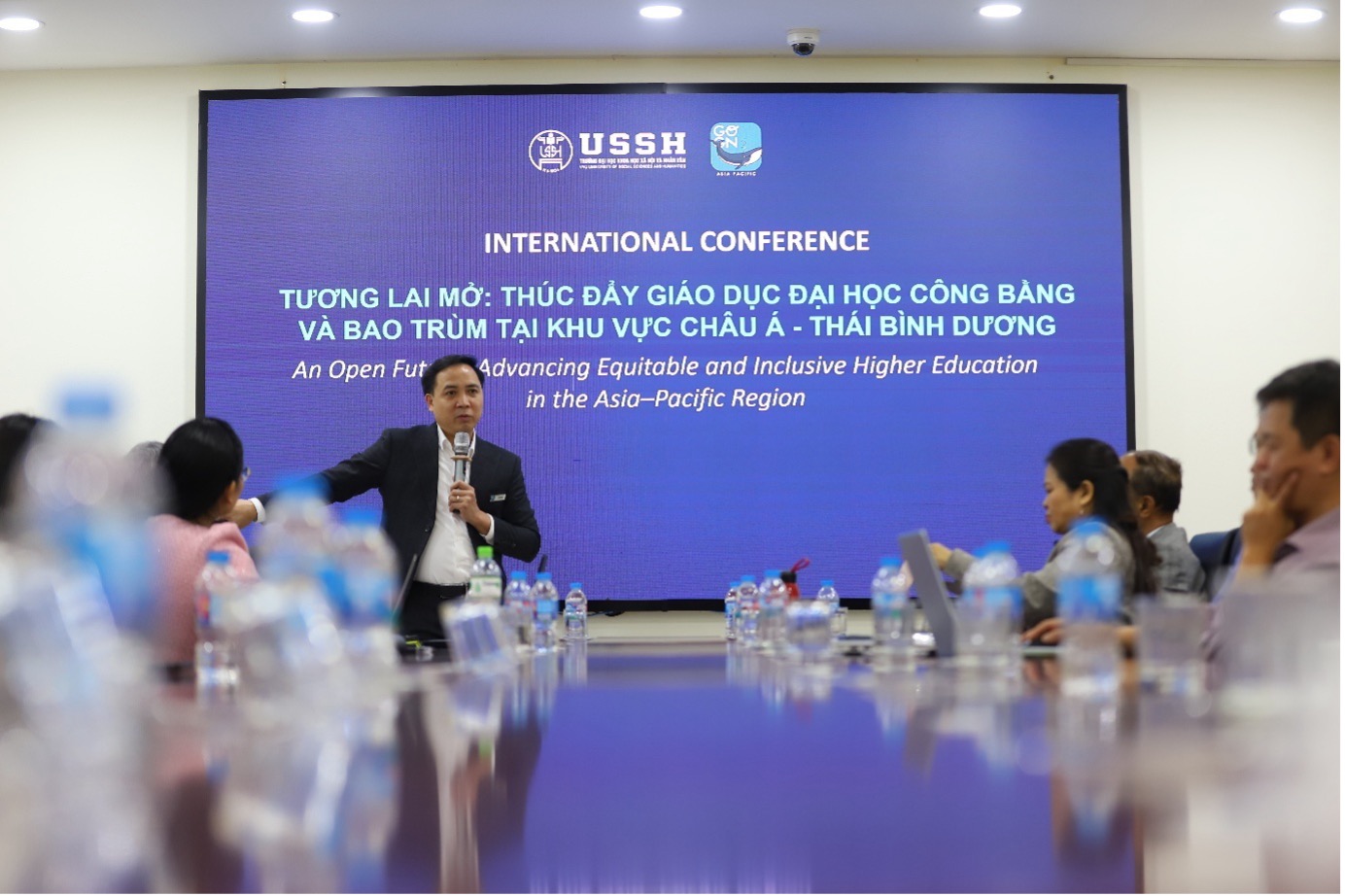
Importantly, policy representatives at the workshop expressed support for the establishment of the GO-GN Asia-Pacific Hub and for collaborative work to advance the open movement in Vietnam. They welcomed ongoing connection and indicated a willingness to help link the Hub with relevant stakeholders and initiatives as this community develops, particularly as the sector prepares for the next phase of OER policy implementation. The workshop also provided an opportunity to announce USSH’s upcoming international conference, “Open Futures: Empowering Fair and Inclusive Higher Education in the Asia-Pacific” (2026). This conference is one of the Hub’s planned future activities, and we have already begun preparations while actively seeking funding to support these next stages of regional engagement, dialogue, and collaboration on open education and related open practices.
We are grateful to all participants for contributing their time, insights, and energy, and to our colleagues at USSH for their outstanding support in organising the workshop. We also thank the GO-GN team for their guidance, and the administrative staff at the University of Melbourne for the practical support that helped make this event possible and successful. The Hub’s second in-person event will take place on 30 December in collaboration with the University of Indonesia, Jakarta. A second blog post highlighting outcomes from the Jakarta event will be shared in January 2026.
Photo credits: Vi Truong and Vietnam National University Hanoi (VNU USSH Hanoi). Used with Permission.
Further reading:
Tác giả: Dr. Vi Truong (University of Melbourne)
Ý kiến bạn đọc
Những tin mới hơn
Những tin cũ hơn